Why You Should Consider Local Car Auto Parts Stores
Why You Should Consider Local Car Auto Parts Stores
Blog Article
A vehicle's performance and functionality depend greatly on its auto parts, which are critical components. These parts span a variety from engine components to electrical systems, ensuring the vehicle operates effectively and safely. If you're considering quality replacements or enhancements, it's worth exploring aftermarket parts, as they tend to be more budget-friendly compared to OEM alternatives. If you're in search of premium auto parts, there is an excellent resource to consider. You can find not only the necessary components but also a plethora of specialized parts that can improve your vehicle's performance their website. In the realm of automobiles, components are segmented into distinct categories, each serving essential roles in both safety and efficiency of vehicles. Original Equipment Manufacturer (OEM) parts are developed directly by the vehicle's manufacturer to align closely with the vehicle’s specific needs. These components often come with a heftier price tag due to the brand prestige and the assurance of quality. On the flip side, aftermarket parts provide a viable and often cost-effective alternative, delivering similar performance without the high price. These parts can be sourced from a variety of manufacturers, allowing for a broader range of choices, including options that prioritize customization or enhanced capabilities. Car enthusiasts, in particular, gravitate towards aftermarket solutions such as advanced exhaust systems and improved suspension kits in their quest to upgrade their vehicles. When navigating the selection of auto parts, it's crucial to consider warranty offerings, compatibility, and long-term functionality. OEM parts typically come with a warranty guaranteed by the manufacturer, which offers peace of mind about their quality and compatibility. On the other hand, although aftermarket parts might not always carry warranties, many well-regarded manufacturers produce parts that perform on an equal level or outperform OEM alternatives. Hence, if cost savings and customization options are high on your list, then aftermarket parts may be the right path for you. Both local auto parts stores and online retailers stock a myriad of both OEM and aftermarket products, allowing consumers to find parts that fit their budget and quality requirements perfectly. Locating automotive parts in your vicinity can effectively reduce both your time and shipping expenses, making it easier to carry out urgent repairs or enhancements. Begin your search by entering phrases like "auto parts near me" or "auto parts store near me" into your favorite search engine. This approach will generally lead you to local retailers and garages that maintain a diverse inventory of parts. Moreover, a growing number of parts shops now provide online catalogs, enabling you to explore their offerings from the comfort of your home. Some even offer options for contactless pickup, allowing you to place orders online and retrieve your items with minimal effort. Local auto parts vendors usually have experienced staff members on hand, ready to help you select the correct components necessary for your vehicle. For car owners on a budget, considering used auto parts can be a viable alternative. Used parts are generally more affordable than new components, making them attractive for those looking to save costs on repairs. Engaging with used car parts stores nearby can yield excellent bargains, especially for older vehicles where OEM parts may no longer be in production. While the cost savings are significant, potential drawbacks do exist. The main concern is the reliability and durability of used parts. It's crucial to ensure that these components are still in good working condition, as some may have limited lifespans. When shopping for used automotive parts, always inquire about warranties or return policies to mitigate risks associated with their purchase. Many reputable sellers provide guarantees or allow returns, which can provide some comfort when making such purchases. Understanding the trade-offs of selecting used parts versus new ones is necessary for making informed decisions—what may seem like a cost-cutting measure can sometimes lead to higher repair costs if the parts fail quickly or do not perform adequately. Consider your vehicle's specifics when searching for parts. Compatibility is vital to ensuring a successful transaction.How to Purchase Auto Parts Successfully
Understanding Different Types of Auto Parts
Choosing Between OEM and Aftermarket Parts
Where to Find Auto Parts Near You
Buying Used Auto Parts: Pros and Cons
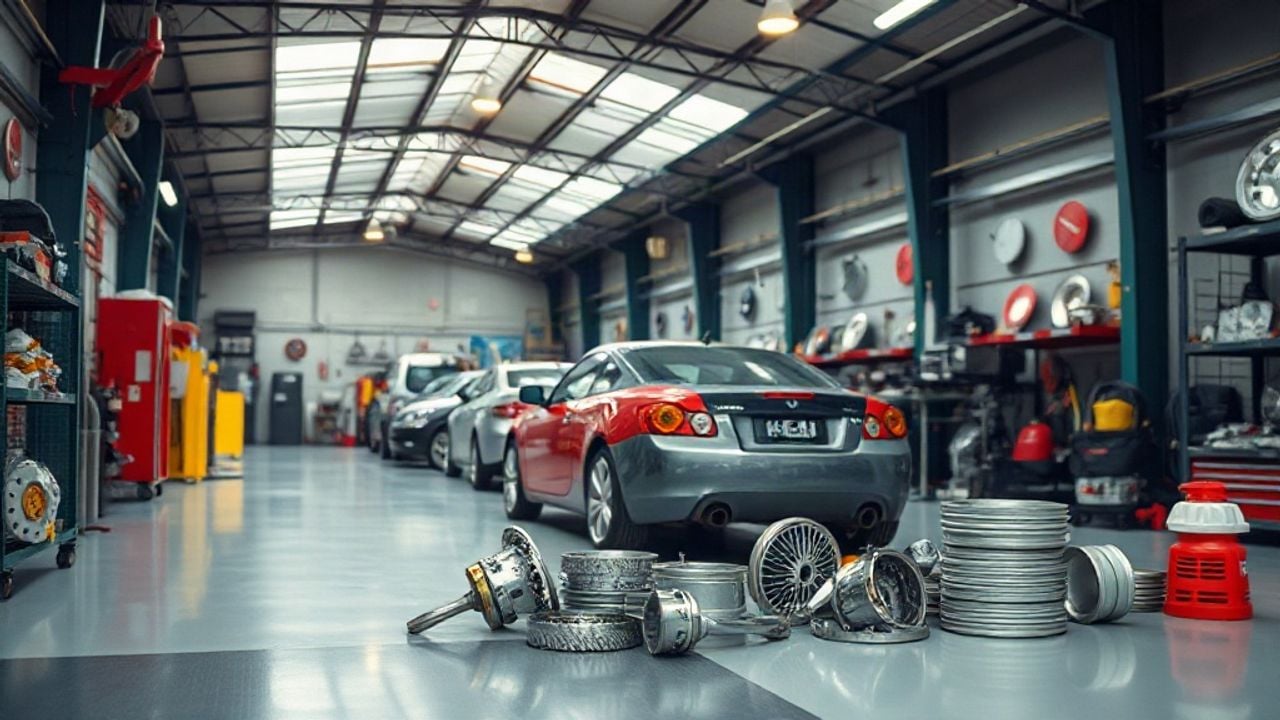 aftermarket partsautopart near me
Best Practices for Buying Auto Parts
auto parts
Frequently asked questions
What is auto parts?
Auto parts refer to individual components that make up a vehicle. These can include everything from mechanical parts, like engines and transmissions, to interior elements, such as dashboards and air conditioning units.
How do I choose an auto parts provider?
To choose a reliable auto parts provider, consider factors like their reputation, customer reviews, and the range of parts they offer. Also, check if they provide guarantees for their products and have knowledgeable staff.
How much do auto parts cost?
The cost of auto parts varies significantly based on the type, brand, and whether they are new or used. Aftermarket parts generally cost less than OEM parts, while used parts can be the most affordable option.
Auto parts are integral to every vehicle's operation and maintenance. Understanding the different types available and knowing where to find them can make a significant difference in your overall automotive experience.
In taking the right steps toward purchasing quality components, from considering your options to ensuring compatibility, you will enhance your vehicle's performance and longevity.